
Top Digital Marketing Trends Shaping the Industry


Embracing AI and Machine Learning
Artificial Intelligence (AI) and machine learning are revolutionizing digital marketing. These technologies enable businesses to analyze consumer behavior and predict future trends with unprecedented accuracy. AI-powered tools can automate customer interactions, personalize content, and enhance decision-making processes.
By leveraging AI, marketers can create more targeted campaigns, leading to higher engagement rates and better ROI. Machine learning algorithms are particularly useful in real-time data analysis, helping brands stay ahead of the curve.

The Rise of Voice Search
Voice search is becoming an integral part of how consumers seek information online. With the increasing popularity of smart speakers and virtual assistants, optimizing for voice search is a crucial trend. Unlike traditional text-based searches, voice searches tend to be more conversational and longer.
Businesses need to adapt their SEO strategies to account for this shift. This means focusing on natural language processing and ensuring content is easily accessible and understandable for voice search platforms.
Video Content Dominance
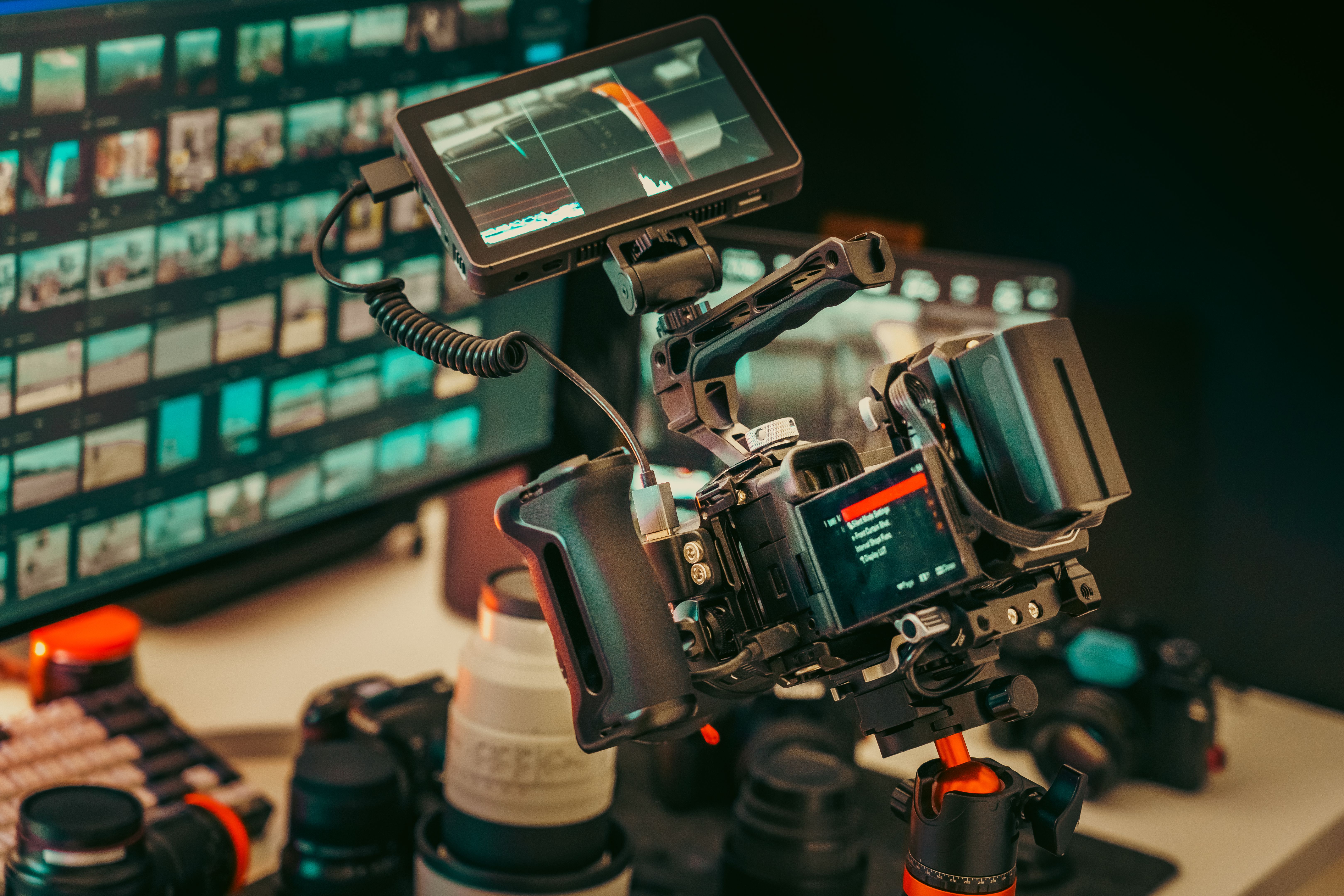
Video content continues to dominate digital marketing. Platforms like YouTube, TikTok, and Instagram are driving this trend, offering brands innovative ways to engage with their audience. Video content is highly engaging and can effectively convey complex messages in a short amount of time.
Utilizing live streaming and short-form videos can significantly increase brand visibility and consumer interaction. Brands are increasingly investing in high-quality video production to capture and retain consumer attention.
Personalization and Customer Experience
Personalization is no longer a luxury but a necessity in digital marketing. Consumers expect tailored experiences that cater to their preferences and needs. By leveraging data analytics, businesses can create personalized marketing strategies that resonate with their target audience.
Providing a seamless customer experience across all touchpoints is crucial. This includes personalized emails, recommendations, and targeted advertising that reflect individual consumer habits and preferences.
Influencer Marketing Evolution
Influencer marketing continues to evolve, with micro and nano influencers gaining traction. These smaller-scale influencers often have highly engaged audiences and can offer more authentic promotion compared to their larger counterparts.
Brands are recognizing the value of collaborating with influencers who align closely with their brand values and can effectively communicate their message to niche audiences.

Privacy and Data Protection
With increasing concern over data privacy, digital marketers must prioritize transparency and compliance with regulations like GDPR. Consumers are more aware of their data rights and expect brands to handle their information responsibly.
Implementing robust data protection measures and being transparent about data usage can build consumer trust and loyalty. Marketers need to balance personalization with privacy to ensure ethical practices.